Attacking Cancer’s Achilles’ Heel, Immortality, and Possibly Gifting Us All a Longer Life
New Anticancer Drug Selectively Harms Cancer and May Slow Aging
Why haven’t we cured cancer?
The problem is that present anticancer drugs also harm normal cells. Causing horrific side effects, which kill many and make many others abandon treatment. Millions die of cancer per year.
The solution would be a drug that only harms cancer. Unlike normal cells, cancers are immortal. Cancer can kill its patient and live on forever if looked after. This difference is because of cancer’s distinctive metabolism. Our paper reports a drug designed to target this abnormal metabolism, which harms cancer cells but NOT normal cells in vitro.
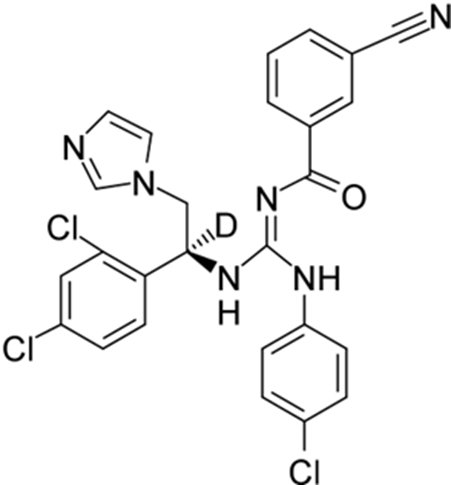
To illustrate, Henrietta Lacks died of cancer a long time ago but her cancer is still alive today and is studied in laboratories worldwide. Demonstrating cancer’s immortality, a clear difference from normal cells, which this drug attacks. It turns cancer’s distinctive strength, immortality, into its weakness.
Shown to work for many different cancers, such as breast and lung cancers, in independent testing by the National Cancer Institute (USA).
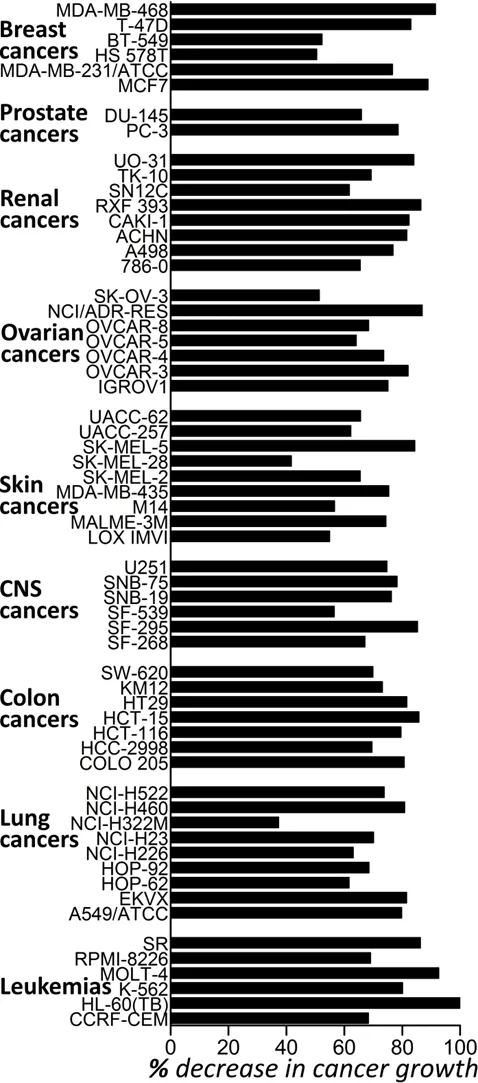
Moreover, as designed and demonstrated in mice, this drug doesn’t simply leave normal cells unharmed. It helps them, making their metabolism more efficient, permitting a lower metabolic rate. Humans and other species with a lower metabolic rate live longer.
Indeed, this same paper reports that different mammal species have diverse life spans due to differing metabolic rates, where more IF1 protein confers a slower metabolic rate, thereby a slower aging rate. Explaining, for example, how a bowhead whale can live centuries longer than a mouse. The paper shows that increasing IF1 protein in mice slows aging, as measured by an established marker of aging.
A drug to slow aging is desperately wanted, and has been since the dawn of humanity. It would be a single drug for the many, varied diseases of aging, such as Alzheimer’s disease.
Most cancer research never gets to the point of a new anticancer drug, whereas we have. Please consider supporting our medical research by making a donation and/or by using our skincare.
To instead donate by PayPal (or Venmo) click here.