We don’t know what causes Alzheimer’s disease. At least not for sure. But what if there was a way to deliver respite without having to know its cause?
We humans are merely biochemistry, and so we can presume that its cause must involve at least one chemical reaction. Chemical reactions run exponentially faster at higher temperatures, which is why we keep food in the fridge for example. Humans (and mice) with Alzheimer’s disease have abnormally high body temperatures. It has been shown in mice that higher body temperature accelerates Alzheimer’s disease progression. For example, causing faster cognitive decline, and faster amyloid plaque build-up in the brain.
We (the scientists behind IF1) have discovered how mammals metabolically generate heat, and we’ve invented a drug that can dose-dependently inhibit it. Shown to work in mice. Conceivably, at low dose, it could be used to reduce the abnormally high body temperature of Alzheimer’s patients to normality, which could slow the progression of their disease.
Amyloid plaque amount at least correlates with Alzheimer’s disease progression. It is a biomarker of the disease’s progression, and a drug shown to reduce it can be relatively quickly FDA approved for Alzheimer’s disease by its Accelerated Approval Program. For example, a drug called Aducanumab was FDA approved this way (since discontinued — brain swelling and deaths were issues). In mice, a body temperature of just 0.65°C less reduces amyloid plaque by nearly as much as Aducanumab drug at its highest pre-clinical dose.
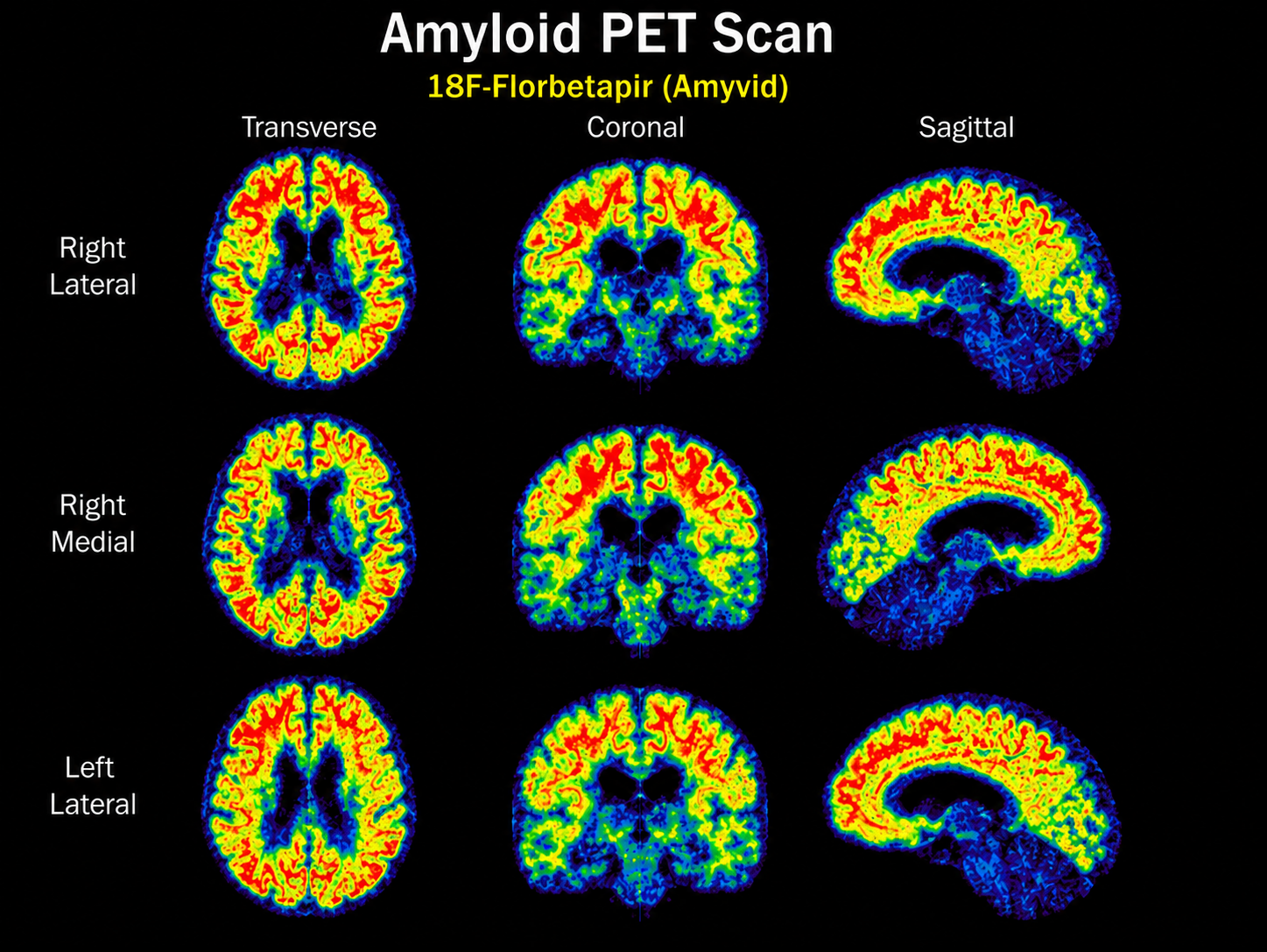
Incidentally, resting body temperature varies within the normal population (35.2-37.7°C), and those with lower body temperatures live longer. Aging involves at least one chemical reaction too! Aging might be contributory to Alzheimer’s disease, which would tie these observations together.
Further information is in our paper, especially in its Supplementary Material, which is where Alzheimer’s disease is spoken to.
The financial burden of Alzheimer’s disease, to the USA alone, is soon projected to exceed $1 trillion per year. Any drug that could mitigate this burden would be useful and valuable. Economists calculate that the economic benefit of slower aging, to the USA alone, is $38 trillion per year of increased life expectancy.
To end where we started, the elegance of this approach is that we don’t need to know what causes Alzheimer’s disease, which is lucky since we don’t know. It side-steps that problem. Whereas others have been, and are, ensnared in it.
Promising but not conclusive — there is more to be done. But here might be a way for people slipping into the dementia of Alzheimer’s to be themselves for longer. Arguably, if the progression to a severe degree of Alzheimer’s disease could be slowed and thereby delayed beyond an individual’s lifespan, that would effectively be a cure for Alzheimer’s disease. Please consider supporting our Alzheimer’s and other medical research, which is diverse and highly inventive, by choosing our IF1 skincare (actual science based skincare from actual scientists) or donating.